
Slishman Traction Splints
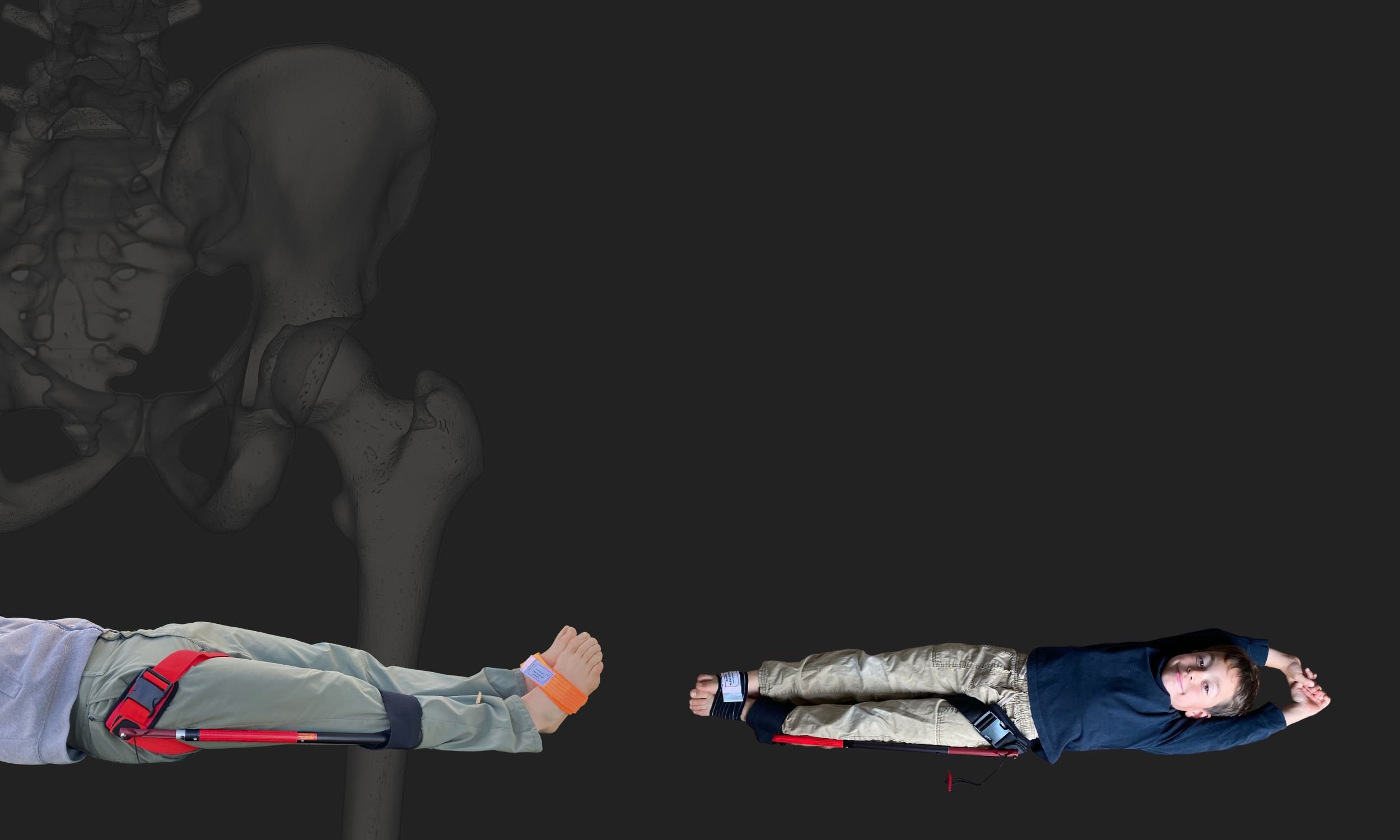
Traction from the Hip: Faster. Safer. Kinder.
STS Gen2
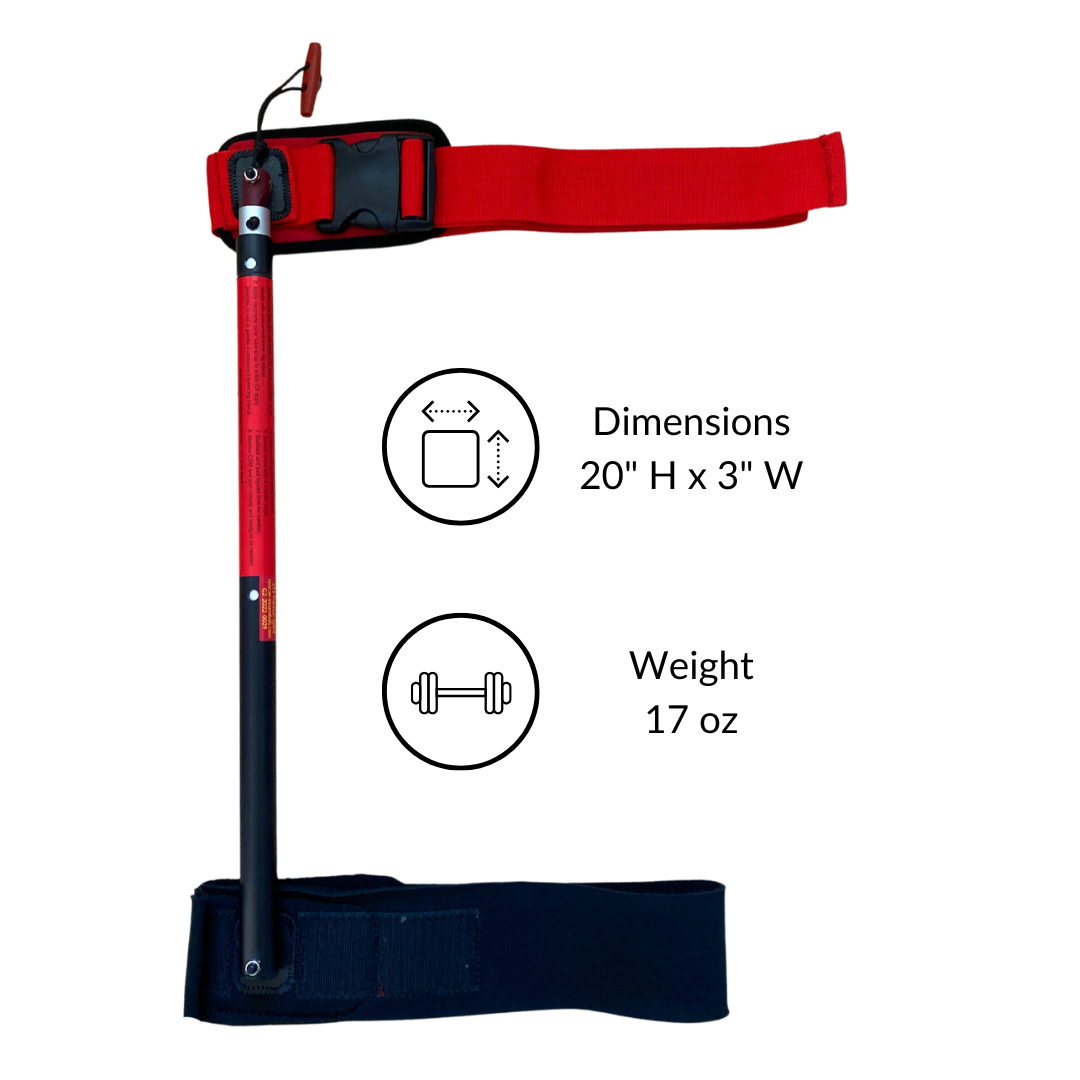
Built to overcome the operational difficulties of legacy splints, with no loose poles or complex mechanisms, cutting scene time and improving patient comfort. Traction is pulled proximally from the hip, so no need for extension past the foot. The distal strap can be applied proximal to the ankle, calf or even the patella.
Apply in less than a minute
One size fits all (no need for a pediatric version)
No hard contraindications
(It’s a splint first that just happens to offer traction.)
Single connected device
No loose parts to get lost during use.
Color coded components facilitate proper application.
STS-C
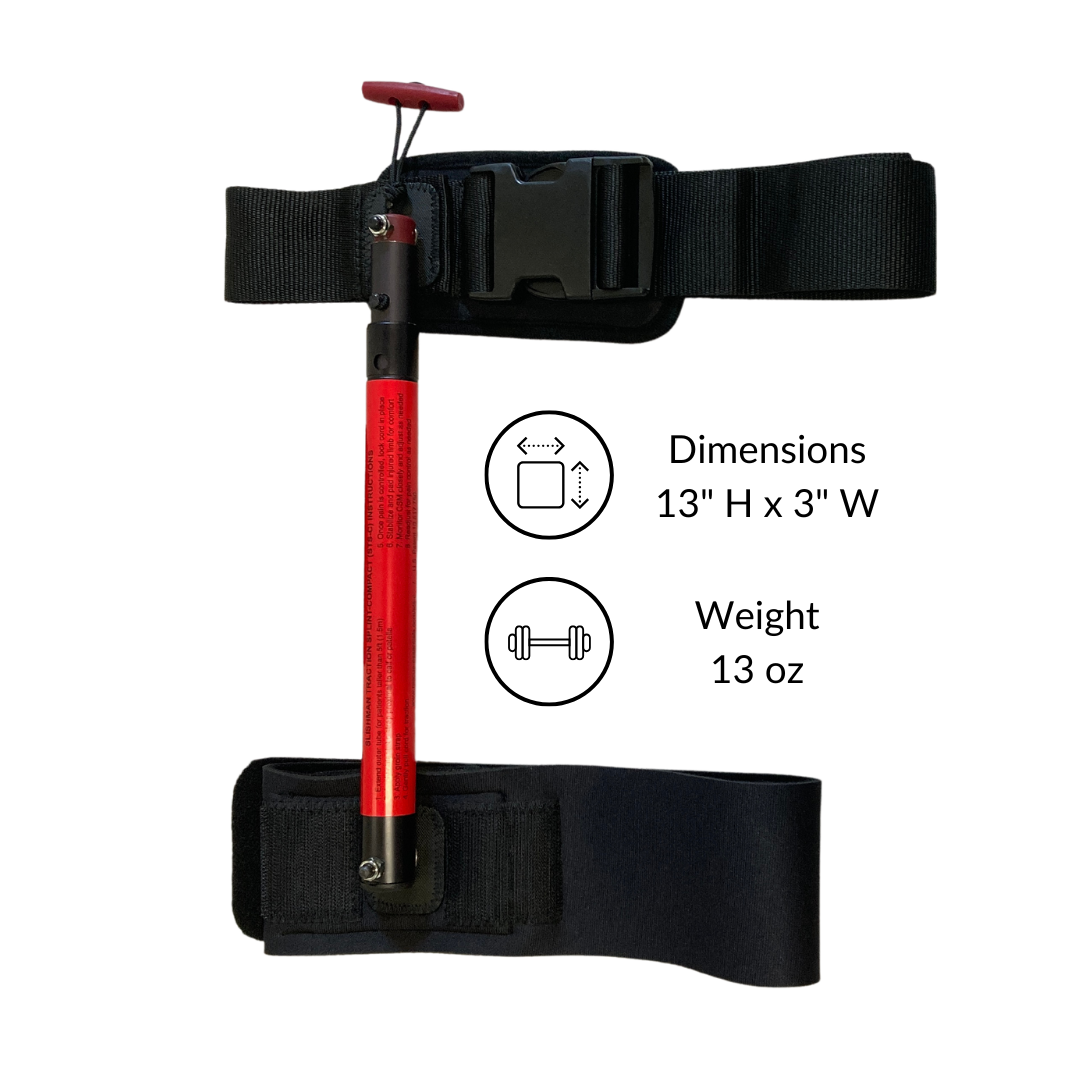
Built for go-light, go-far missions, the STS-C packs tiny for SAR, special operations, wildland fire, backcountry patrols where weight and cube space matter. It’s the compact sibling of the Slishman Traction Splint Gen2, delivering fine, easily adjusted femoral traction.
Radiolucent
Includes black, MOLLE-compatible case
Assembled in the USA
TAA Compliant
Ultra-compact
One of the smallest and lightest traction
splints on the market.
Splint anything.
Traction is the gravy.
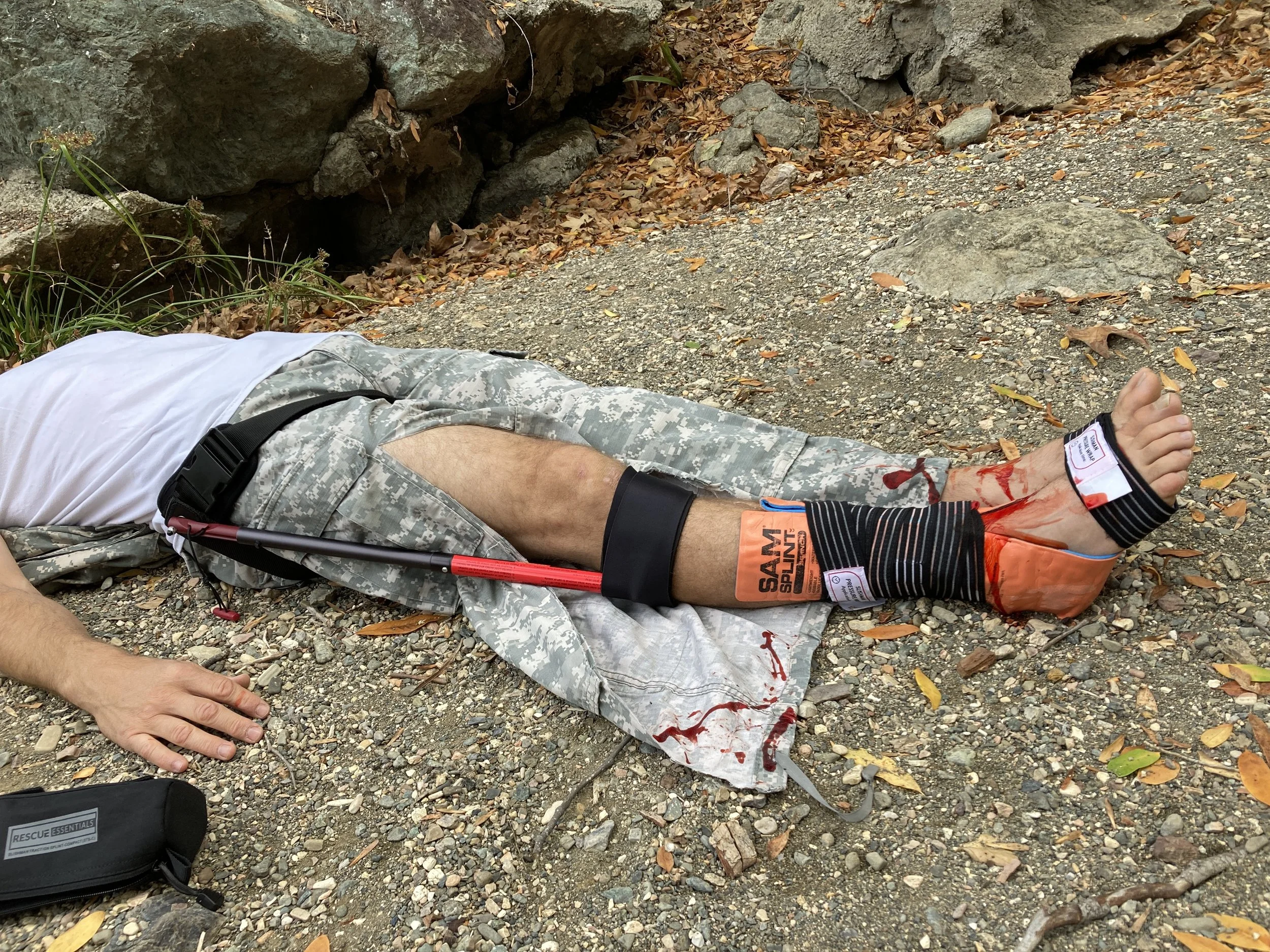
Application possible despite concurrent lower extremity trauma.
FAQs
-
Both models can be applied in less than 60 seconds with minimal training.
-
Yes. The STS-Gen2 and STS-C will fit small kids and large adults.
-
It is ok to use STSs despite trauma to tib/fib, knee, proximal femur, or pelvis. Remember, these are splints first that just happen to offer traction.
*But please avoid pulling dirt into grossly open fractures.
-
The Slishman Pressure Wrap is included to provide rotational stability, but it also turns the STS-Gen2 and STS-C into multi-tools.
-
Femur fractures are extremely painful and traction helps to break the pain /spasm vicious cycle. By stabilizing clots, splints in general help to limit blood loss into tissues as well.
-
The Gen2 (and C) include articulated distal and proximal straps attached to the extension mechanism, making them easier to apply… and much harder to lose. All three pole segments of the Gen 2 and C are connected, making them a one-piece design. Pressure points are well-padded and no more thumb screws either. Instructions are printed on the side of the splints as well. Upgrading to a Gen2 or C requires minimal retraining.
-
There are a few answers here. STSs can be left on patients through Xray or CT without obscuring fractures. So hopefully they will be left on patients from “ER to OR”. However, they have small ferrous screws, washers, nuts and spring buttons. So they should not be used in MRIs.
Want to purchase?
Slishman traction splints are distributed in the U.S. and internationally through trusted medical and emergency suppliers. Tell us where you’re located we will guide you to the people who can help. We are happy to assist with virtual or in person trainings as well.
STS Gen2 Training Video
Share your STS experience
Real-world STS use cases improve
education and adoption.
Testimonial
“We recently started using the Slishman Traction Splint, and I had the opportunity to apply it on an injured hiker with a mid-shaft femur fracture. It worked fantastic.
What I liked most about the splint was its small size and portability while still maintaining efficacy. It allowed us to package a patient on a long backboard with spider straps for hoisting and secure them in our ARP hoisting platform while alleviating pain and maintaining traction. There were no concerns about being able to fit the patient in our Aerial Rescue Platform for extract and no special adjustments needed to fit the patient on our Med Deck in the helicopter cabin for transport. The speed of application and simplicity of the product is awesome.”
John Carton,
Firefighter & Flight Paramedic,
LA City Fire Air Operations
STS-C Training Video
Independent Studies & Field Data
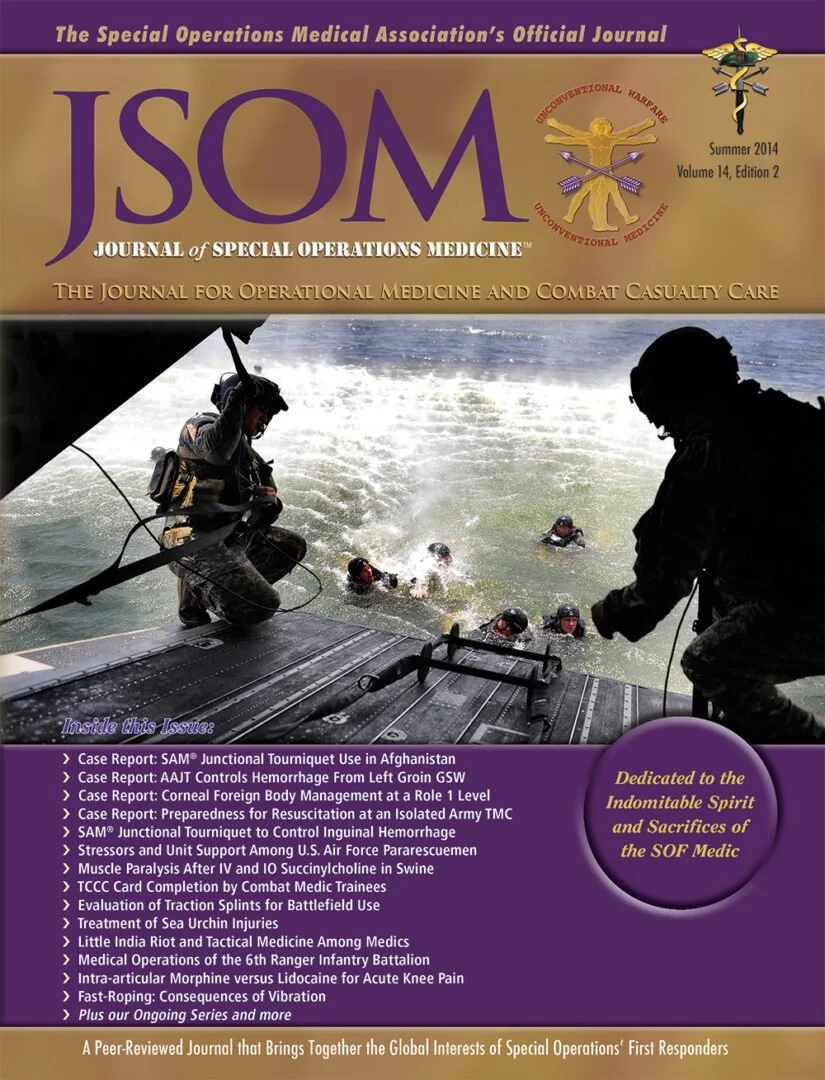
“The STS had the best objective performance during testing and the highest subjective evaluation by participants. Along with its ability to be used in the setting of associated lower extremity amputation or trauma, this splint is the most suitable for battlefield use of the three devices tested.”
— Evaluation of Commercially Available Traction Splints for Battlefield Use
Journal of Special Operations Medicine. Volume 14, Edition 2/Summer 2014.
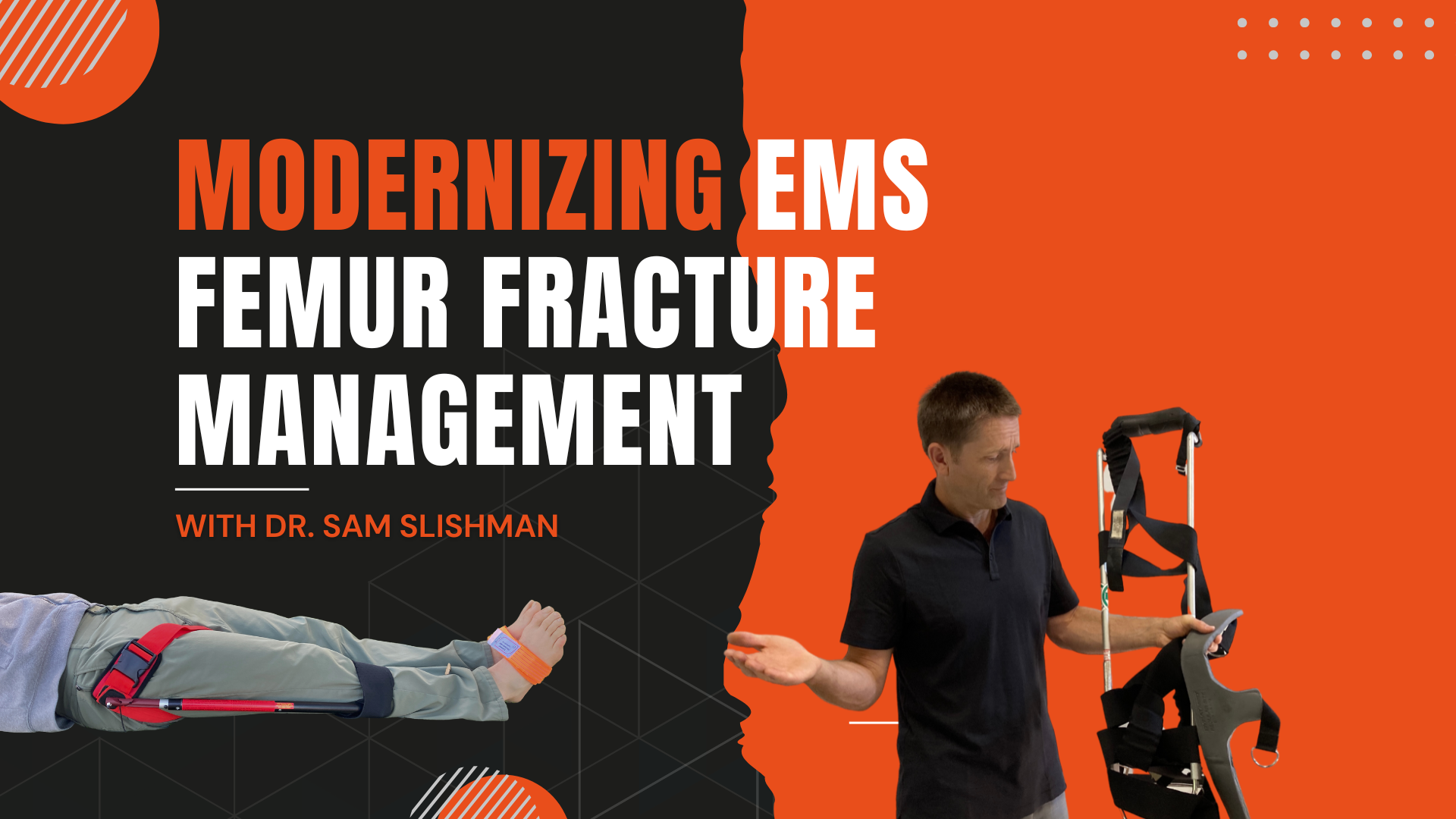
A Response to NAEMSP’s Position Statement
Are traction splints still relevant? Legacy designs shaped how we think, and pull.
Trusted by Leading Agencies in the US



Independent Reviews
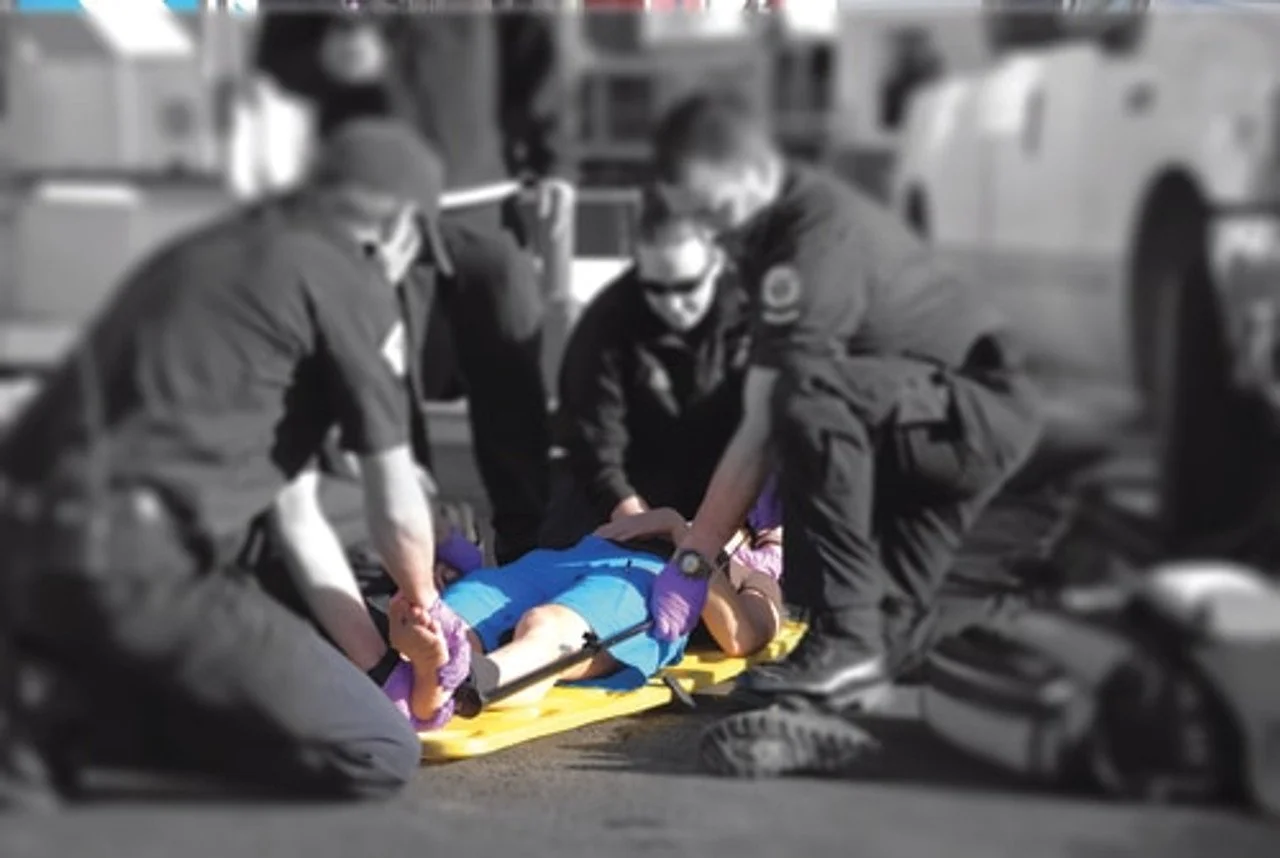
PrepMedic and GroupCall discussing speed of application, ease of use, and patient comfort.
Already using the STS original?
Upgrade to Gen2 or Compact for faster setup and better patient care. Minimal retraining required.